Monday, December 23, 2024

Now Showing: Justice League War


Justice League War
Genre: Action/Superhero
Director: Michael Bay
Writers: APJ, D.R. Cobb, John Malone & Chad Taylor
Based on DC Comics characters

Cast: Mahershala Ali, Tom Cruise, Alexandra Daddario, Dave Franco, Jake Gyllenhaal, Vanessa Kirby, Taylor Kitsch, Chloe Grace Moretz, Aidan Turner, Giancarlo Esposito, Glenn Close, Lachy Hulme, Jake Weary, Camila Mendes, Martyn Ford

Plot: Following the attacks of Darkseid's Elite on Star City and Metropolis, the clean-up process has begun and the cities have slowly begun to heal. J'onn J'onzz / Martian Manhunter (Mahershala Ali) hovers above the Earth in a meditative state. He suddenly jolts back to life. He flies down to Earth, rendezvousing with Bruce Wayne / Batman (Jake Gyllenhaal) atop a Gotham rooftop. He tells Batman that the time has come to carry out his plan. Batman nods and asks J'onn to rally the troops.

Batman stands at the central console in the Batcave. Massive screens flicker in the darkness with images of Apokolips and Earth. While the rest of the Justice League listens, Batman explains that his deep space imagery shows that Darkseid (Giancarlo Esposito) appears to be reorganizing another army of Parademons to attack Earth. Clark Kent / Superman (Aidan Turner) steps forward, reminding the group that if Darkseid succeeds in obtaining the final piece of the Anti-Life Equation, he could dominate all sentient life across the universe. Batman brings up a tactical display, two columns of team members forming holographically in mid-air. He explains that he has a plan to strike Darkseid on Apokolips with himself, Superman, Diana / Wonder Woman (Alexandra Daddario), Hal Jordan / Green Lantern (Tom Cruise), Martian Manhunter, and Barry / Flash (Dave Franco), all making the trip to Apokolips, while Kara / Supergirl (Chloe Grace Moretz), Dinah Lance / Black Canary (Vanessa Kirby) and Carter Hall / Hawkman (Taylor Kitsch) will go to Themyscira to protect the Anti-Life Equation tablet with the help of the Amazons. Flash clears his throat, offering to stay on Earth as well. Batman glares at him without a word. Flash explains that he usually deals with bank robbers and the occasional talking gorilla, not intergalactic warlords on fiery hell-planets. Green Lantern asks Flash if he's afraid of a little off-world jog. Batman cuts them both off, insisting that Flash's powers are essential to his plan. Flash relaxes slightly due to Batman's confidence in him. Supergirl steps up, mildly annoyed that she's sidelined on Earth in Batman's plan. Superman turns to her, letting her know that he would feel more comfortable with her on Earth in case any of Darkseid's forces reach here.

The two teams split up as Batman activates the Boom Tube taken from the wreckage in Metropolis. Before the team heading to Apokolips steps through the Boom Tube, Martian Manhunter senses that Darkseid could be anticipating their arrival. Supergirl and Hawkman take off to the skies, using their powers to make the trip toward Themyscira, leaving Black Canary confused on how to get to the mythical island. Batman offers her his Batwing. Black Canary informs him that she doesn't know how to fly a jet, but Batman jokes to her that the Batwing has autopilot. The remaining heroes step into the Boom Tube, vanishing into the portal of swirling energy.

The Boom Tube's portal deposits Batman, Green Lantern, Wonder Woman, Martian Manhunter, Superman and Flash out into the oppressive atmosphere of the alien world of Apokolips. The sky is a mass of dark, swirling clouds veined with crimson lightning. Rivers of molten lava wind through the cracked terrain. Batman immediately activates sensors on his cowl, scanning the terrain for threats. Martian Manhunter tells the others he can telepathically feel Darkseid's presence in the distance as it weighs heavily over his domain. The ground beneath them trembles and lava spits from the cracks as they reach a large ravine. Green Lantern uses his ring to create a glowing green bridge for the team to cross over. They spot a towering black citadel in the far off distance. Flash comments on how terrifying the structure looks, betting that must be Darkseid's hideout.

Deep within the walls of his fortress, Darkseid (Giancarlo Esposito), sits upon his throne. Before him stands what remains of his trusted Elite: Steppenwolf (Lachy Hulme), Kalibak (Martyn Ford), and Granny Goodness (Glenn Close), each awaiting their master's command. Darkseid informs them that he can sense that the Justice League has arrived on Apokolips. He laughs at the idea that they think they can defeat him. Kalibak vows to crush them himself, but Darkseid preaches patience. Darkseid states that Earth's heroes are foolish to think they can confront him on Apokolips and leave Earth defenseless. He orders Granny to go to Earth with her Furies and seize the last piece of the Anti-Life Equation. Darkseid muses that the Justice League thinks they have brought the fight to him, but he has already won the war.

Hawkman, Supergirl and Black Canary all arrive in Themyscira where they meet with Donna Troy (Camila Mendes) and Jason (Jake Weary) with Pegasus. Along with a cavalry of Amazon warriors, they stand guard over the vault holding the Anti-Life Equation tablet. While Hawkman and Supergirl patrol the skies above the island for any sign of invasion, Black Canary stays on the ground and gets to know her fellow defenders. She discovers that Jason is Wonder Woman's twin brother, possessing many of her abilities, which makes her feel better about their team if anything should happen.

On Apokolips, the team enters a canyon. The walls on either side tower over them, etched with alien glyphs that glow faintly. Martian Manhunter informs the others that he senses Parademons nearby - dozens of them. Before the team can even react, a swarm of Parademons descends from the canyon cliffs, unleashing energy blasts at the team. Superman takes to the air, counterattacking with his heat vision. Wonder Woman deflects incoming fire with her bracelets. Martian Manhunter winces at the flames passing by him, briefly flashing back to the destruction of his home planet. He snaps back to reality and uses his telepathy to disrupt an enemy group, making them attack each other. Green Lantern generates a massive green shield to protect the team. After they defeat the swarm, Batman urges the team to continue through the canyon, insisting it is the quickest route to Darkseid's fortress.

The calm before the storm breaks and the sky above Themyscira turns red. Suddenly from dark storm clouds, Granny Goodness' monstrous Furies emerge through a massive Boom Tube - grotesque female Parademons with dark, leathery wings. Granny Goodness leads the charge, ordering her Furies to tear apart the Amazons. Supergirl is the first to rise, shooting into the sky like a missile into the storm of Furies, blasting through the first wave with her heat vision. Jason, atop Pegasus, grips his sword as he charges into the fray, slashing at the Furies. Hawkman joins the aerial battle, soaring upwards, smashing his mace into the nearest Fury, sending it spiraling into the dirt below. He calls out to keep the Furies away from the vault holding the tablet. Supergirl continues darting between enemies with incredible speed, her punches landing like thunderclaps, sending shockwaves through the air. Below, Black Canary and Donna Troy hold the ground. Black Canary unleashes her Canary Cry, sending a devastating sonic wave that shatters the eardrums of a group of nearby Furies. Donna's lasso whips through the air, wrapping around a fury and yanking it down from the sky with a mighty tug, slamming it into the earth. Jason continues battling in the air atop Pegasus, but the Furies are relentless as several swarm him. Pegasus neighs in panic. Hawkman flies in behind him, swinging his mace through the Furies, giving Jason a chance to calm his steed.

As the team continues moving through the canyon on Apokolips, Flash stops, confessing he is afraid to continue. Green Lantern notices Barry's unease and approaches him. Flash confesses that he's feeling out of his depth, admitting that the scale of their mission terrifies him. Green Lantern tells Flash about the yellow fear entity and how he became a Green Lantern. He tells Flash that courage is not the absence of fear, but rather the ability to act despite it. Barry absorbs Hal's words. Martin Manhunter is tuned out of the conversation as he experiences another flashback, though this appears to be a vision reuniting him with his wife and daughter. Wonder Woman notices this and asks him if he is alright. He silently nods and she nods back. Batman signals to the team that they need to continue pushing forward.

The team on Apokolips emerges from the canyon onto a vast, desolate plain. They find themselves in front of the massive gates of Darkseid's citadel. Suddenly the massive gates at the base of the citadel swing open. From them two imposing figures, Steppenwolf and Kalibak, emerge, weapons in hand. Wonder Woman and Superman step forward. Without a word, Wonder Woman leaps toward Steppenwolf, their weapons colliding in a clash of steel and sparks. He swings his axe at her, but she deflects the blow. The two circle each other, exchanging blows that send shockwaves across the battlefield. Superman and Kalibak launch themselves at each other. Kalibak hurls Superman into the dirt, but Superman retaliates with his heat vision. They rise into the air, trading punches above the scorched surface of Apokolips.

Another swarm of Parademons emerge from the citadel gates, descending on the team. Green Lantern takes flight, summing missile constructs with his ring that streak through the air and explode among the enemy. On the ground, Flash races through the chaos, weaving between the Parademons with blur of movement, disarming them. Martian Manhunter glides through the shadows, phasing through rock formations and re-emerging behind enemy lines. He releases a psychic pulse that scrambles the Parademons' minds. Batman moves with precision, flinging explosive Batarangs, at the swarm.

Back on Themyscira, Amazon warriors clash with the monstrous, winged Furies. Supergirl darts through the stormy sky, crashing into the nearest Fury. The creature spirals into the ground, disintegrating into dust on impact. High above the battlefield, Hawkman soars through the swarm, his mace sending enemies tumbling from the sky. Below, Jason rides Pegasus, slashing at the Parademons with his sword. As the defenders push the Furies back, the storm clouds part, and Granny Goodness joins the fray. With the wave of a hand, a new swarm of Furies emerge from a Boom Tube. While the other heroes fight off Furies, Supergirl eyes Granny. They shoot at each other in midair, colliding with a crash, exchanging blows that crack like thunder. Supergirl uses her heat vision, but Granny deflects the blast and swings her staff at Supergirl, sending her crashing through an ancient marble column. Granny Goodness begins to taunt Supergirl about the destruction of Krypton at the hands of Darkseid.

Back on Apokolips, the battlefield has grown bigger and more chaotic. Superman continues fighting Kalibak, while Wonder Woman is still in a violent duel with Steppenwolf. Superman slams Kalibak through the citadel gates, knocking him unconscious. Wonder Woman dodges Steppenwolf's axe, before thrusting her Godkiller sword into his chest. The team stands victorious as the last of the Parademons fall. Just as they begin to regroup, Darkseid appears, the ground trembling beneath his feet as he steps forward. Martian Manhunter steps forward himself, instructing the others to destroy the Anti-Life Equation in Darkseid's throne room while he holds him off. Wonder Woman asks him if he is sure. With a confidence, he nods and tells her telepathically that he is. She is hesitant at first but eventually nods back. Flash and Superman split up, both sprinting through the citadel at super-speed, frantically searching. Martian Manhunter floats toward Darkseid, who launches his Omega Beams at the Martian, who creates a psionic shield around himself, using every ounce of his power to hold the tyrant in place. Superman and Flash both come back empty-handed just in time to witness as the Omega Beams overtake Martian Manhunter's defenses as the Darkseid's powers consume him. Martian Mahunter psychically tells the others to make sure his sacrifice is not in vein. He then unleashes one final psychic attack on Darkseid, rendering the Apokoliptian warlord unconscious. Martian Manhunter then falls back to the ground, lifeless.

The Justice League pauses to regroup with Darkseid temporarily incapacitated and the death of Martian Manhunter weighing on them heavily. Batman informs the others that the only way to stop Darkseid for good is to use the Anti-Life Equation, the very source of his power, against him. Wonder Woman and Green Lantern both question the idea. Batman turns to Superman, announcing to the others that Superman is the only one strong enough and decent enough to wield the power and resist succumbing to it. Superman feels his nerves tighten, but agrees to carry out Batman's plan to stop Darkseid.

Batman activates a Boom Tube portal. He gives Flash a pat on the back, asking him to bring back the Anti-Life Equation tablet from Themyscira as he is the only one fast enough to get in and out. Barry takes a deep breath before sprinting into the portal. A heartbeat later, Flash is spit out on the shores of Themyscira where Granny Goodness and Supergirl are still locked in an epic battle, while Hawkman, Jason, Donna and Black Canary continue fighting off the onslaught of Furies. Flash taps into the Speed Force. The world around slows to a crawl. Heroes and monsters alike are frozen mid-strike. He moves like a blur through the battlefield, weaving between the action. Up ahead he spots the vault where the Anti-Life Equation tablet is hidden. He slips through the entrance as the massive doors creak open in slow motion, passing Amazonian guards. Flash reaches the tablet. Without a second to breathe, Flash grabs the tablet and bolts back through the battlefield. With a crackling burst, Flash reappears in the citadel on Apokolips, clutching the Anti-Life Equation tablet in his hands. Superman's gaze fixes in on the ominous artifact in Flash's hands.

Supergirl becomes enraged by Granny Goodness's taunting and attacks in a violent fury. Granny Goodness recovers and asks if that is all Supergirl has in her arsenal. Suddenly Hawkman dives from the sky, his mace smashing into Granny's shoulder with a crunch. Granny staggers, but before she can recover, Jason, riding Pegasus, swoops in and slashes his sword across her other shoulder, cutting through her armor. She stumbles. Black Canary unleashes a powerful Canary Cry that sends Granny skidding across the earth. Granny slams her fist into the ground to steady herself. Donna swings her lasso, catching Granny's arm. They continue trading attacks on Granny Goodness, weakening her. Granny coughs, dripping blood from her mouth. She cackles that Darkseid will burn Earth to ash. Supergirl lands one final punch to Granny Goodness's chest. Granny collapses, her eyes wide and empty. Her lifeless body slumps to the ground, blood pooling beneath her shattered armor.

Darkseid begins to stir back to consciousness. His massive figure rises, eyes glowing red. He fires his Omega Beams at the Justice League, the deadly energy twisting and bending through the air. Wonder Woman charges at him with her sword, but she is sent reeling by the impact of the beams. Green Lantern constructs a massive shield, but Darkseid's beams tear through it effortlessly. Flash zips through the room, hoping to disorient the enemy, but Darkseid, moving faster than expected, knocks Barry off his feet with a backhand. Batman throws several explosive Batarangs at Darkseid, but he merely brushes them off. Superman grips the Anti-Life Equation tablet as the energy of the Anti-Life Equation begins to surge through him. His eyes glow black for a moment. The entire citadel quakes as the power courses through his veins. The twisted architecture of the citadel seems to bend to Superman's will, the walls shifting and glowing. Darkseid steps back - fear in his eyes for the first time. Superman floats up into the air, the power of Anti-Life swirling around him. With the flick of his hand, he bends the molten rivers beneath Apokolips, reshaping them into glowing restraints that wrap around Darkseid's body, pinning the god in place. With a final surge of power, Superman lifts Darkseid into he air as the molten chains rip him apart as the tyrant roars in pain.

Superman hovers above the others. The rest of the Justice League watches in tense silence. They start to fear that Superman may have already become corrupted by Anti-Life based on the look of anger on his face. Superman's gaze shifts toward his teammates. For a moment, there's no recognition in his eyes - only the cold, indifferent look of someone holding infinite power. The Anti-Life energy glows brighter around Superman as he slowly descends back to the ground. His eyes now glow red. He lifts his hand in the air, and all of the Anti-Life Equation tablets appear around him, suspended in the air. For a heartbeat, the League fears the worst. Batman's jaw tightens. Wonder Woman raises her sword slightly. Green Lantern summons a glowing shield around his fist. Flash instinctively hides behind the others. Then, just as the power seems to consume him completely, the Anti-Life tablets begin to disintegrate, turning to dust. Superman takes a breath. He tells the others that nobody should ever wield such power. The team gathers around Superman, the moment settling in.

The Justice League stands together on Apokolips. They collect the remnants of Martian Manhunter. Wonder Woman picks up J'onn's burnt cloak and hands it to Superman. She asks if he can take J’onn back to where he belongs. Superman nods Flash is upset that Martian Manhunter didn't live to see them defeat Darkseid. Green Lantern pats Flash on the back, saying they all owe a credit to him saving a planet he wasn't even from - Earth. Flash whispers to himself that he was part of the plan. Batman activates a Boom Tube. The team leaves Apokolips through the portal, returning to the Batcave. Superman picks up J’onn’s remains and returns him to Mars.

The sky over Metropolis is clear and hopeful. The battle with Darkseid is over, and the world is at peace - for now. Construction crews work tirelessly at the site of a grand new structure: the Hall of Justice. The Justice League - consisting of Batman, Flash, Green Lantern, Wonder Woman, Hawkman, Superman, Supergirl and Black Canary - stand together on the foundation, watching the construction unfold, a beacon of hope.


Sunday, December 22, 2024

The Numbers: Highest Paid of Season 31


As another season of Last Resort Films gets ready to come to a close, we are going to look at the highest paid talents of Season 31 in this latest edition of The Numbers.


T-10. Reese Witherspoon - $12.5 million

- Saving Yemen - $12.5 million


T-10. Dwayne Johnson - $12.5 million

- Scrappy - $12.5 million


9. Mahershala Ali - $14 million

- Justice League War - $14 million


8. Mark Wahlberg - $15 million

- Vindicators - $15 million


7. Adam Sandler - $15 million 

- Saving Yemen - $15 million


6. Taylor Kitsch - $17 million

- Justice League War - $17 million


5. Aidan Turner - $18 million

- Justice League War - $18 million


4. Margot Robbie - $20 million

- Baby Teeth - $20 million


3. Jake Gyllenhaal - $25 million

- Justice League War - $25 million


2. Tom Cruise - $25 million

- Justice League War - $25 million


1. Tom Hardy - $30 million

- God of War III - Part One - $30 million


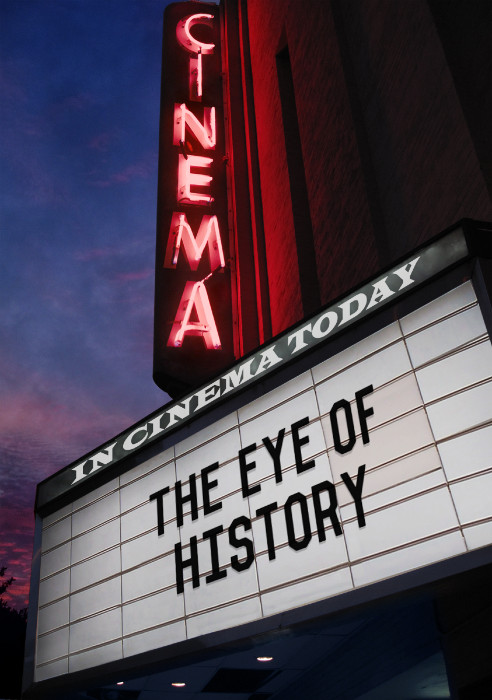
Release: The Eye of History


The Eye of History
Genre: Biography / Historical
Director: Marc Forster
Writer: Andrew Doster
Cast: Kirsten Dunst, Finn Cole, Casey Wilson, Oliver Jackson-Cohen, Faran Tahir, Douglas Smith


Budget: $32,000,000
Domestic Box Office: $35,093,503 
Foreign Box Office: $14,972,182
Total Profit: -$19,000,019

Reaction: It's hard to say if the issue at the box office was the lack of name recognition of its subject or something else entirely. It didn't wind up being a colossal financial flop at least.


"As Dunst is still a top level performer and her performance is definitely gonna get her in the GRA race, the film's pace and (mostly) it's length kept taking me out of what seems to be a competent enough bio-pic that may leave some fascinated while others waiting for the credits to roll." - Daniela Clark, Des Moines Register


"The Eye of History is a visually striking film that captures the extraordinary life of Margaret Bourke-White with style and heart. The film is anchored by a powerful and nuanced performance from Kirsten Dunst. The pacing of the film occasionally falters, but the film remains a compelling tribute to an artist's legacy and the power of photography." - Audrey Columbus, Collider


"Director Marc Forster and writer Andrew Doster ambitiously set out to chronicle the life and career of Margaret Bourke-White and are mostly successful in that goal. The narrative does come across as disjointed with a pacing that drags during key moments. The decision to frequently shift between past and present, while visually impressive, sometimes disrupts the emotional flow of the story. The supporting characters are underdeveloped and feel like mere backdrops for Kirsten Dunst's fantastic performance, which has to have the leading lady in the mix for Best Actress come GRA season." - Justin Rodriguez, Detroit Free Press


Rated PG-13 for thematic elements and language


Saturday, December 21, 2024

Fact to Film: The Eye of History


For this final edition of Fact to Film for Season 31, we are going to be taking a look at the cast of the upcoming biopic of photographer Margaret Bourke-White, which is being directed by Marc Forster (A Man Called Otto, 2060) and written by Andrew Doster (Redhead, Flames).


Now Showing: The Eye of History


The Eye of History
Genre: Biography / Historical
Director: Marc Forster
Writer: Andrew Doster
Cast: Kirsten Dunst, Finn Cole, Casey Wilson, Oliver Jackson-Cohen, Faran Tahir, Douglas Smith

Plot: The film opens with a silent and melancholy atmosphere. The camera moves slowly through a room illuminated by dim morning light. On the walls, black and white photographs capture moments of history and life. Margaret Bourke-White (Kirsten Dunst), once a famous photographer known throughout the world, lies on her bed, wrapped in a woolen blanket. Her face is marked by her illness. Her hands, once steady and confident with the camera, now tremble slightly due to Parkinson's disease. The half-open window reveals a snowy panorama, but Margaret can no longer face the cold due to her precarious health following a fall down the stairs that occurred about ten days earlier. Her gaze is turned towards the past, towards the images she captured with her camera. As much as possible, with the help of her maid, she had tried to settle down as much as possible because she would be receiving a visitor that day.

David Rossi (Finn Cole), a young journalist who has just graduated, enters the room introduced by Clara (Casey Wilson), Margaret's maid. He has bright, excited eyes and a notebook in his hand. He is an admirer of Margaret's work and has traveled from afar for this interview with her. David bows respectfully and shyly begins to speak nervously. Margaret observes him with curiosity and then with a smile tells him to calm down and asks the maid to bring the young man something to drink. After drinking the young man asks Margaret to tell her everything about her life. Margaret agrees to tell her story, but with one condition: she wants to know which photos David considers his favorites of her among those he has taken throughout her career. David smiles, accepting the deal and runs out of the house towards his car. After a couple of minutes he returns to Margaret with a photo album full of photos taken by Margaret and places it on the table next to Margaret's bed. David quickly flips through the pages one by one. There are images of wars, of suffering, of moments of hope and beauty. Margaret listens attentively, smiling faintly, her eyes fixed on the images of her as each photo of her brings back memories, emotions and lives lived. Suddenly David stops and points to one. Margaret's mind goes back in time and she begins to speak.

Margaret arrives by car at Fort Peck Dam, Montana, accompanied by her young assistant, Henry (Douglas Smith). The gigantic structure is still under construction and Margaret is excited to photograph it from different angles and distances. The assistant reminds her that they have little time since the photos of her must be delivered to the Life editorial team by the next day and there was a problem with the permissions to be there. Margaret nods, feeling the urgency of the situation and says she'll figure something out. Meanwhile, hundreds of workers work on the dam, sweaty and dirty with their faces marked by fatigue. Margaret approaches the site manager and asks permission to take photos, but she is rudely rejected by a gruff foreman since the dam is a military zone and access is prohibited. Determined, Margaret insists, telling the foreman that there was a problem with the accreditation from Life magazine and that the photos she takes will be important in showing the world the progress and greatness of America after the Great Depression. The foreman snorts but doesn't give in as she tries to convince him in every way. Margaret looks past the foreman, towards the majesty of the dam and her eyes shine. At a certain point she storms off, taking her young assistant with her. They sit in the car and think of a plan while eating a sandwich. Soon after, they steal some uniforms and dress up and dress up as workers, wearing faded hats and dusty jackets while blending in with the other workers trying to go unnoticed. Margaret keeps her beloved camera hidden under her uniform. They make their way among the trucks, cranes and bulldozers avoiding curious glances. They arrive at the edge of the dam, where they overlook the artificial lake. Margaret is struck by the view, the dark blue water stretches endlessly, while the dam rises imposingly. Margaret whispers to the assistant that she has found the perfect spot from which to take the photo. She takes out her camera and prepares to capture the dam. The assistant tells her to hurry, because they might get caught. Margaret nods and takes the photo.

David listens with his mouth open, surprised by how difficult it was to take that photo that went on the first cover of LIFE on November 23, 1936. While Margaret is helped to drink in small sips by Clara, the boy chooses the second photograph. Margaret looks at the photo for a moment and smiles sweetly. The photo was taken for the book “You Have Seen Their Faces - 1937”. At that point the woman begins to tell.

Dust rises behind the car as Margaret Bourke-White and her boyfriend, the writer and journalist Erskine Caldwell (Oliver Jackson-Cohen), travel through the winding roads of Georgia. The scorching sun burns through the windshield, turning the interior of the car into an oven. Margaret holds the map on her lap and looks excitedly at the horizon in search of subjects to photograph and interview for the book they are writing. Erskine, on the other hand, seems to be more deep in thought than he is because he is critical and bitter towards his hometown, which he considers backward and oppressive. At a certain point the car stops in front of a series of wooden houses. Margaret, with her camera slung over her shoulder, gets out of the car and advances with a determined step towards the hut, her eyes scrutinizing every detail, every crack in the wood and every blade of grass that grows undisturbed in the surrounding area. Erskine, following her, almost seems to get lost in her thoughts, her gaze rests on an old pecan tree, silent witness to years of history and stories. Inside, the hut reveals a raw and no-frills reality. The light filters through the cracks in the wooden planks, creating a play of shadows that move on the beaten earth floor. Margaret moves with respect, almost as if she wants to ask permission for those spaces to tell their story through her lens. The children, with their large eyes full of questions, follow every movement of that woman who brings with her unknown tools and promises of food. Her mother, a figure of strength and effort, watches cautiously, her face marked by time and work in the fields. When Margaret asks to pose for the photo, there is a moment of hesitation. Then, one after the other, the family members approach the door, as if they were about to cross the threshold of a new world. They line up, their bodies tell stories of work and resistance, their hands are maps of lines and scars. Erskine, meanwhile, with his recorder, captures fragments of life: simple words but full of meaning. Margaret frames the scene, her finger hesitates for a moment before pressing the button.

After taking the photo, Margaret pauses for a moment to imagine the photo she just captured. Her expression is thoughtful, almost as if she were trying to decipher a message hidden in the folds of the reality that she has before her. Erskine, noticing her silence, approaches her and places a hand on her shoulder, a gesture of support despite their differences. Margaret then turns to the family and, with a kind gesture, invites them to sit under the shade of a large oak tree. She takes an old plaid blanket out of her bag and spreads it on the ground, gesturing for them to sit down. As the family sits down, she pulls a picnic basket out of the same bag, surprising everyone with a modest meal she had prepared before leaving.

As they eat, Margaret and Erskine listen to the farmers' stories, their daily struggles and the small pleasures they find in their existence. Erskine, who initially seemed distant and critical, begins to show signs of empathy, struck by the simple joys the farmers share. The conversation is interrupted when a group of neighborhood children, attracted by the unexpected event, shyly approach. Margaret welcomes them with a smile and invites them to join. Soon, the scene transforms into a small community gathering, with laughter and stories intertwining under the blue Georgia skies.

After the meal, Margaret suggests playing a photography game with the children. She encourages them to explore the cabin and its surroundings with some old disposable cameras that she had brought with her. The excited children run around capturing images from their point of view, a fresh and innocent perspective that Margaret hopes to include in her book. As the sun begins to set, Margaret realizes that what she experienced that day goes beyond simple photographic documentation. She shared moments of true humanity and created a bond with those people, a bond that she hopes to convey through her images of her. The scene ends with Margaret, after saying goodbye to her family and children, walking away with Erskine. As the car drives away, the dust rises again, leaving the cabin and its inhabitants behind, but carrying with it the promise of telling their story to the world.

The boy smiles and continues to leaf through the photo album until he stops at one that portrayed the woman in Russia during the Second World War.

Under an oppressive gray sky, Margaret Bourke-White strides steadily across a snow-covered field that stretches as far as the eye can see. Each step she takes sinks into the fresh snow, leaving a clear and deep trace. She stops, scanning the horizon, then takes out her trusty camera. With an expert eye, she frames a group of soldiers in the distance, immortalizing them in a moment of truce. Shortly afterwards, as the woman arrives at a Russian camp, the snow begins to fall silently in the already snow-covered landscape, painting every corner of that place white where the biting cold bites every centimeter of exposed skin. Margaret, already wrapped in a heavy wool coat and with the camera clutched in her gloved hands, moves confidently among the Russian soldiers. Her breath condenses into clouds of steam in the freezing air as she tries to capture the raw essence of war through her lens. She watches the soldiers walking, some limping due to the wounds inflicted by the conflict, others with the determined gaze of those who do not let themselves be defeated even by death and are almost transformed into ghosts in a landscape of ice and death. Margaret looks at those figures while the distant roar of German artillery sounds like a sinister background, a constant threat that hovers in the cold air.

Margaret respectfully enters a military tent, where the air is filled with the enveloping smoke of burning wood. The heat of the fire creates an almost intimate and protective atmosphere, a temporary refuge from the cold and horror that lies beyond the walls of the tent. Some Russian soldiers are inside wrapped in thick, worn blankets as they warm themselves around the fire and chatter. Margaret moves discreetly, almost afraid of disturbing that rare moment of peace in which men find themselves united in the warmth of the hearth. A young soldier, looking shabby but with a lively look, approaches her with a shy smile, intrigued by the presence of her photographer. With a gentle gesture, Margaret hands him the camera, inviting him to look through the lens. The soldier eagerly accepts as he looks through the lens taking a photo of Margaret as she smiles by the fire. Meanwhile, other soldiers converse quietly, sharing stories of home and hope for the future. At a certain point someone sings a sweet and melancholic melody, the notes of the song mix with the crackling of the fire, creating an atmosphere of nostalgia and comfort. Margaret joins the circle around the fire, listening attentively to the words and looks of those brave men. She then starts teaching a few words in English including some swear words that make the whole group of people giggle.

As she ventures into the smoking ruins of a reconquered village, Margaret finds herself surrounded by a group of Russian soldiers determined to bring aid and support to the local population. The landscape is full of debris and desolation, but in the midst of it all emerge glimpses of humanity that Margaret strives to capture with her camera. A young soldier, with a soot-stained face and tired but determined eyes, approaches with a smile that exudes a rare joy, almost a light of hope that manages to cut through the darkness of war. Margaret snaps quickly, capturing the essence of that glowing smile, but not before offering the young soldier some water and bread in solidarity. Then, as she travels further into the devastated village, Margaret's heart aches at a heartbreaking scene. A mother, with her face marked by tears and trembling hands, holds her child to her chest, but her child lies motionless in her arms, lifeless. Margaret approaches with respect, trying to capture the intensity of that emotion with her lens, but she realizes with real horror that the child is dead, probably from starvation or disease. Margaret lowers her camera and avoids further shots. In a gesture of respect and pain, the photographer bows slightly, silently offering her support to her mother in the darkest moment of her existence.

Suddenly Margaret finds herself faced with a scene that seems to capture the very essence of war and hope. A young Russian girl, with her deep eyes, stands among the rubble of the devastated village. Her petite figure is in stark contrast to her proud manner but it is her gaze that captures Margaret's attention. The girl holds a small tricolor in her hands, the symbol of her nation, and holds it tightly as she looks up towards the gray sky full of clouds with a face that shows determination and an inner strength that shines through in her eyes her. Without hesitation, Margaret raises her camera, knowing that what she is about to capture will become an indelible testament to the hope and resilience of the Russian people at war. With one click, the image is captured for eternity, immortalizing the young girl and her symbol of hope in the midst of chaos and destruction.

The scene returns to the present. Margaret sighs as David and also Clara listened almost with their mouths open to Margaret's almost poetic tales of those difficult months in Russia during the Second World War. A moment later Margaret grimaces. Clara and David approach with a wave of concern while the photographer says that she needs help getting up and being accompanied to the bathroom. Clara helps her and the two women head towards the bathroom. David almost curses when he sees the suffering of his idol and thinks about how many other things he could have done if only Parkinson's Disease hadn't struck her at a relatively young age. David sits down and continues to browse the photos, stopping at the one that portrays Margaret with Gandhi (Faran Tahir).

Calcutta, India, 1946. Margaret arriving in India by train, along with other journalists and war correspondents. You were sent by Life to document the situation of the country, which is experiencing a crucial moment in its history: the struggle for independence from British rule, and the division between India and Pakistan, which caused violence and massacres between Hindus and Muslims. A hot sunny day, with the sound of the voices of the crowd rising from the local market. Margaret Bourke-White stands in the heart of the city, her camera slung over her shoulder. She is determined to capture the soul of India at a time of change and independence. Gandhi is sitting on a jute rug in the shade of a large banyan tree. He is wearing his traditional white dhoti and is conversing with some followers. Margaret approaches Gandhi with respect, trying not to disturb his meditation. He looks at her with kind eyes and smiles. Margaret holds up the Leica and takes a photo of her. Gandhi remains motionless, as if he knows that this moment will be important for both of them. The photo captures Gandhi with his wooden cane and deep eyes, reflecting on India's struggle for independence. Margaret captures the essence of a man who embodies non-violence and determination. Margaret slowly walks away, leaving Gandhi to meditate on her.

Shortly afterwards she receives a note from a local boy from Gandhi inviting her to spend time with him in the afternoon. A few hours later Margaret is joined by one of Gandhi's collaborators, who offers to take her to Gandhi's ashram, where the Mahatma lives and conducts his campaign of nonviolent resistance. Margaret accepts, and gets into a carriage, taking with her her camera and her passport. Margaret and her assistant arrive at the ashram, where they see Gandhi spinning cotton on a spinning wheel. The collaborator explains to her that Gandhi spun cotton every day, as a gesture of humility and solidarity with the poor and oppressed. Margaret becomes fascinated by Gandhi, and she asks the collaborator to introduce her to him, and to ask him for permission to photograph him. The collaborator agrees, and takes Margaret to Gandhi. Gandhi welcomes Margaret with a smile, and tells her that he is pleased to meet her. Margaret tells him that she admires his work and his philosophy, and that she would like to photograph him to show the world his message of peace and justice. Gandhi tells her that she agrees, but with one condition: that she try to spin cotton with him, to understand the meaning of her gesture. Margaret accepts, and she sits next to Gandhi, who teaches her how to use the spinning wheel.

Margaret tries to spin cotton, but she can't get it right. Gandhi encourages her, and tells her it's a matter of practice and patience. Margaret laughs, and says it's easier to take pictures than to spin. Gandhi tells her that both activities require concentration and dedication, and that they can be used to communicate and educate. Margaret asks him what she means. Gandhi tells her that photography is an art that can show reality and truth, and that it can influence people's opinions and emotions. Margaret tells him that he agrees, and that's what she's trying to do with his photos of her. Margaret decides to photograph Gandhi, and she asks him to continue spinning cotton, as if she were not there. Gandhi agrees, and repeats her gesture. Margaret frames him with her camera, and tries to capture his appearance and mood. Margaret's voice can be heard saying: "This was one of the most significant photos I took. I wanted to show Gandhi as he was, a simple and profound man, who changed the world with his non-violence and his love. I also wanted to show his connection with cotton, which was the symbol of his struggle for India's independence and self-sufficiency. I wanted to capture a historical moment, and I think I succeeded."

The young journalist leafs through Margaret's photo album. In the end, his eyes focus on a particularly significant photo: an industrial shot, an image linked to racial integration in the United States at the end of the 1950s. The boy holds up the photo, showing the image to Margaret. Margaret, elderly and with the signs of time and illness on her face, looks at the photo of her with a melancholy smile. The scene dissolves into a flashback.
Margaret, now suffering from Parkinson's symptoms, walks with uncertain but determined steps inside a factory. The machines roar and smoke envelops the industrial environment. Her hands shake as she readies her camera, but her resolve is intact. In front of her, the workers are intent on their tasks, a symbol of workers' resilience and strength. Margaret approaches slowly, trying to capture the essence of industrial life and hard work. With a click, she immortalizes the image: workers concentrated in their activities, with sweat running down their faces and calloused hands handling the tools. It is a tribute to the working class and their unstoppable strength. The flashback continues showing the difficulties Margaret faces due to Parkinson's. We see her working with dedication, despite the tremor that makes it difficult to keep the camera still. Her passion for photography and the desire to document her truth push her forward, even when her body begins to betray her. The scene shifts to a few days later, when Margaret is in hospital undergoing delicate brain surgery in an attempt to alleviate the symptoms of Parkinson's. We see Margaret on the hospital bed, with a camera placed next to her, a symbol of her unwavering commitment.

Margaret, her eyes bright with memories, looks at the young journalist. He smiles, understanding the importance of that image and the courage behind it. A moment of silence is created full of respect and admiration. The reporter thanks Margaret for sharing her story and gets up to leave. Before leaving, however, she turns and asks if there is anything she would like to say to anyone who sees her work in the future. Margaret reflects for a moment, then responds with a wisdom that only years of experience can provide: "The truth is always important, even when it is hard to see. Keep seeking it and showing it, regardless of the obstacles." She then tells the boy to take her photo album and keep it. The two hug each other tenderly. The scene ends with the reporter walking out of the room, leaving Margaret alone with her memories, as the camera focuses on the woman's eyes slowly closing as she looks out the window.


Friday, December 20, 2024

Interview: Andrew Doster


Welcome back for another edition of Interview! This time around, Last Resort Films president Phil Dolan sits down with writer Andrew Doster (Redhead, Flames) to discuss his latest film, The Eye of History....


PD: What it is about Margaret Bourke-White's life that made you want to give it the biopic treatment?

AD: I honestly didn't know much about Margaret Bourke-White until a few years ago. I mean, I knew she existed and that she was a famous photographer but I didn't know much more. It was seeing the beautiful film "Gandhi" by Richard Attenborough in which she was played by Candice Bergen that gave me the opportunity to know her a little and convinced me to go and read and learn more about her life and I was fascinated by the love for her work, the courage and determination that she had at the time. During her career for Life magazine, Bourke-White documented some of the most significant moments of the twentieth century. She documented the ever-increasing rise of Nazism in Germany and many moments of the conflict. During this period, she was the first accredited American female correspondent during World War II and the first authorized to fly on a combat mission. She was also the only foreign photographer in the Soviet Union to photograph factories working on the Soviet Five-Year Plans in the early 1930s, and the only American photographer in the Soviet Union during the German invasion (where she reportedly met with Stalin). She also covered operations in North Africa during World War II and spent several months on the Italian front. Her photographs of the recently liberated Buchenwald concentration camp, taken in 1945, remain among the most powerful testimonies of the Holocaust. And then she went to India where she interviewed and photographed Gandhi and many other things. All of this made me think, "What if I tried to write a film about this extraordinary woman?"


PD: How did you decide which of Bourke-White's extensive portfolio of photographs and events to include in The Eye of History?

AD: I had already started writing the plot of the film last year. It was a more conventional and old-fashioned biopic that recounted her life in a more classical way. The release of "Becoming Carole Lombard", its flop at the box office and the three reviews that agreed on the fact that the film had a narrative made me think. So I deleted everything and came up with the idea of ​​using Margaret's photos to mark the passage of time and focus only on some events. The idea seemed nice to me... but did I succeed? I absolutely do not know, I am still a fairly mediocre screenwriter who had a couple of exploits thanks to the wonderful help of Dwight Gallo and Chad Taylor for "Tinseltown" and "The Deadliest Night in Show Business". As for the choice of photos to use in the film, I went to read and search and in the end I found the moments that seemed most significant to enter into the film. You didn't ask me but from the first moment I thought about the film last year I only had one name in mind to play Margaret and it was Kirsten Dunst. I don't know why but as soon as I thought about the film I had the flash of association to her. I have always adored Kirsten, I grew up with her when I was little between Jumanji, Small Soldiers and also Little Women and so I am a little fond of her. I think she is a good actress, perhaps even a little underrated and therefore I absolutely wanted her as the protagonist. If she hadn't accepted or hadn't been available the film wouldn't have been made or the script would have ended up in a drawer until I decided to contact the second choice which was Sienna Miller. Of course...now someone will think "Maybe it would have been better if you kept the script in a drawer Andrew Doster".


PD: Your filmography generally consists of horror/thriller films and historical films. What is it about those genres that appeal to you as a writer?

AD: Yes, my films have often been horror/thriller, genres that have always been my favorite genres since I was little. Then I started writing something else since the reviews were often mediocre or terrible. So I started focusing on historical films both based on literary works and then set in classic cinema. I love classic cinema, I also have a huge DVD collection and there are so many stories waiting to be discovered and written. Also Tinseltown is still my favorite film of the filmography, initially it was even longer with details and scenes that I then had to remove from the final script. By the way I heard that Ben Collins wrote one with the actress Julia Garner as the protagonist, is that true?


PD: Do you have any other projects in the works?

AD: Yes, in a few seasons there is a film scheduled that is different from the genres I usually deal with since it is a drama set in the world of artistic gymnastics. A story of falling, fighting, getting up and then being reborn that I hope will be a good film with a young and talented English actress as the protagonist. I also have a horror that I have started to write but it is still in its early stages.

Top 10 Biopics (Season 1-10)


Sherman J. Pearson here for another Top 10. With another biopic on the way, this time one about photographer Margaret Bourke-White, I decided to use my template for the Best Novel Adaptations saga but for biopics (this time with less confusing numbering/ordering).


Top 10 Biopics (Season 1-10)
10. American Playboy
9. Femme Fatale
8. Swim Through the Darkness
7. Stained
6. Blood Countess
5. Crowley
4. The Tower
3. Rasputin (Director's Cut)
2. Hated: The Ballad of GG Allin
1. Libra